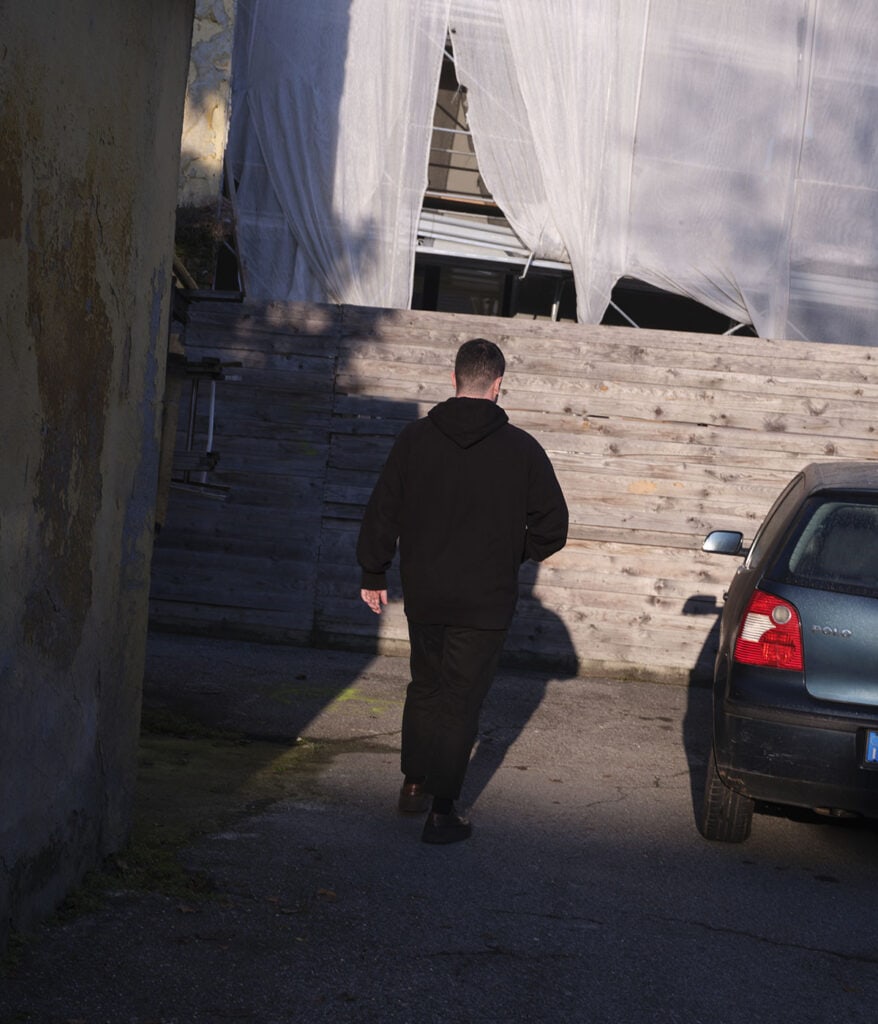
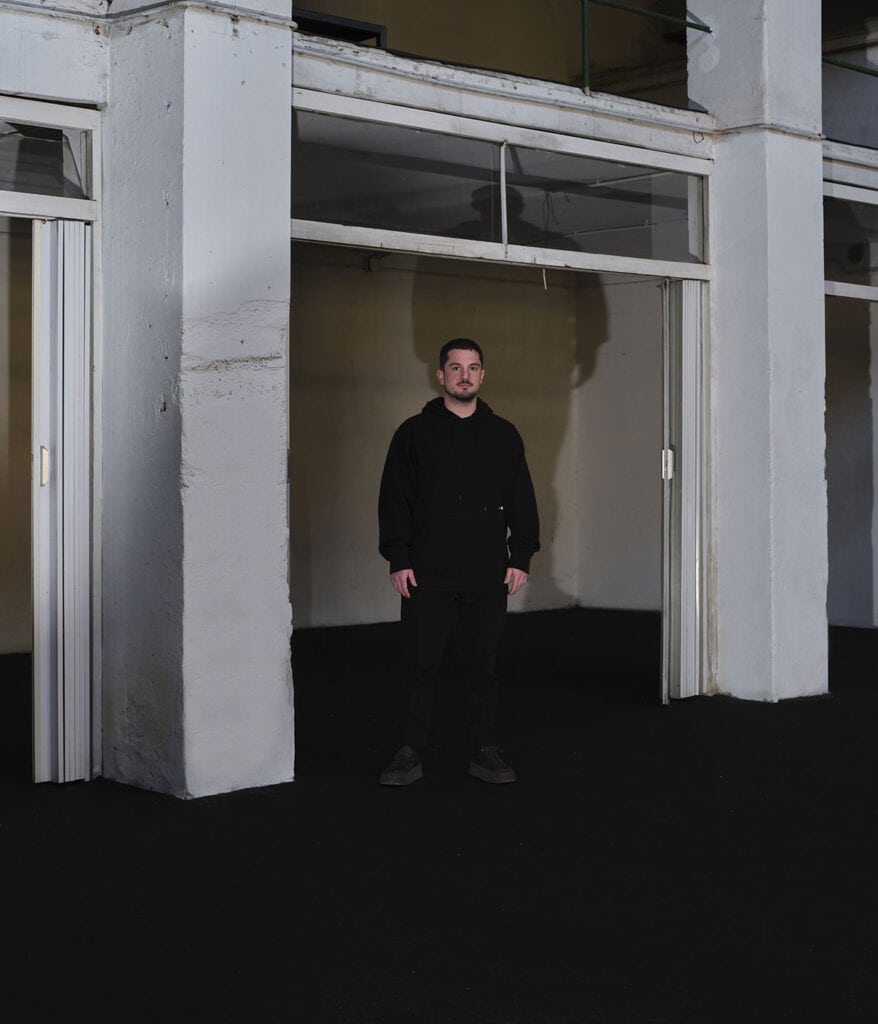
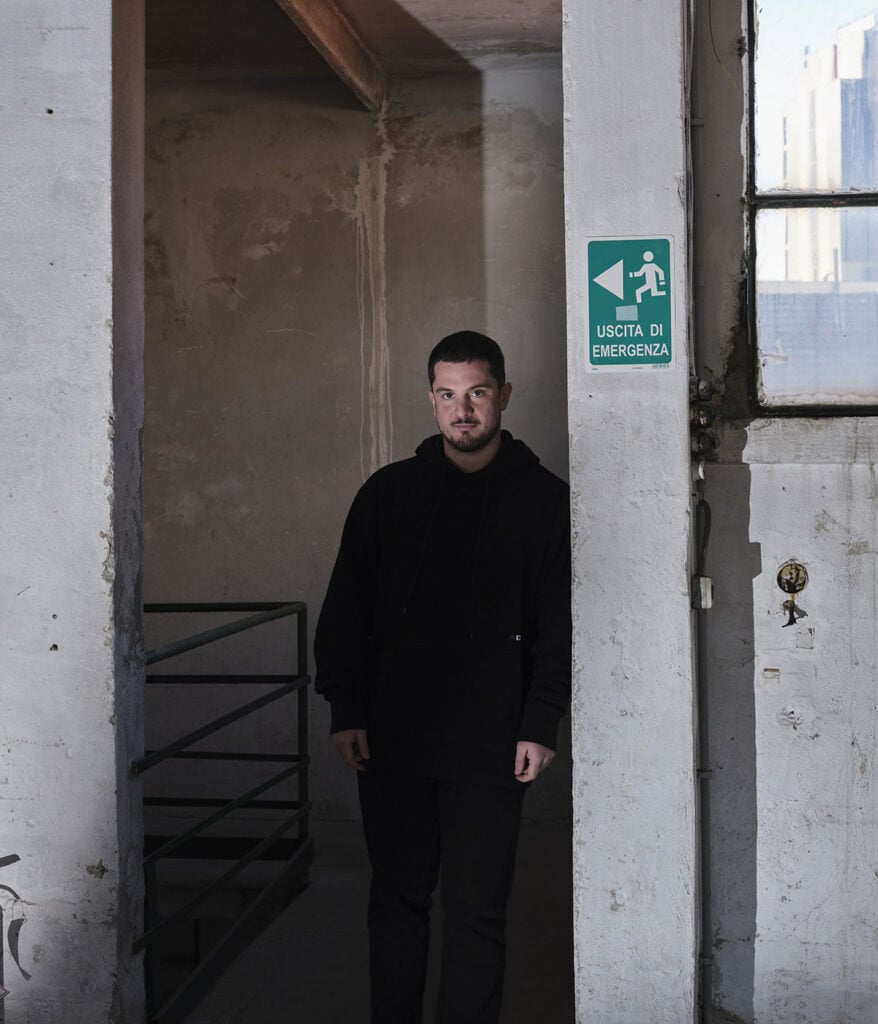
Friends: Simone Bonanni
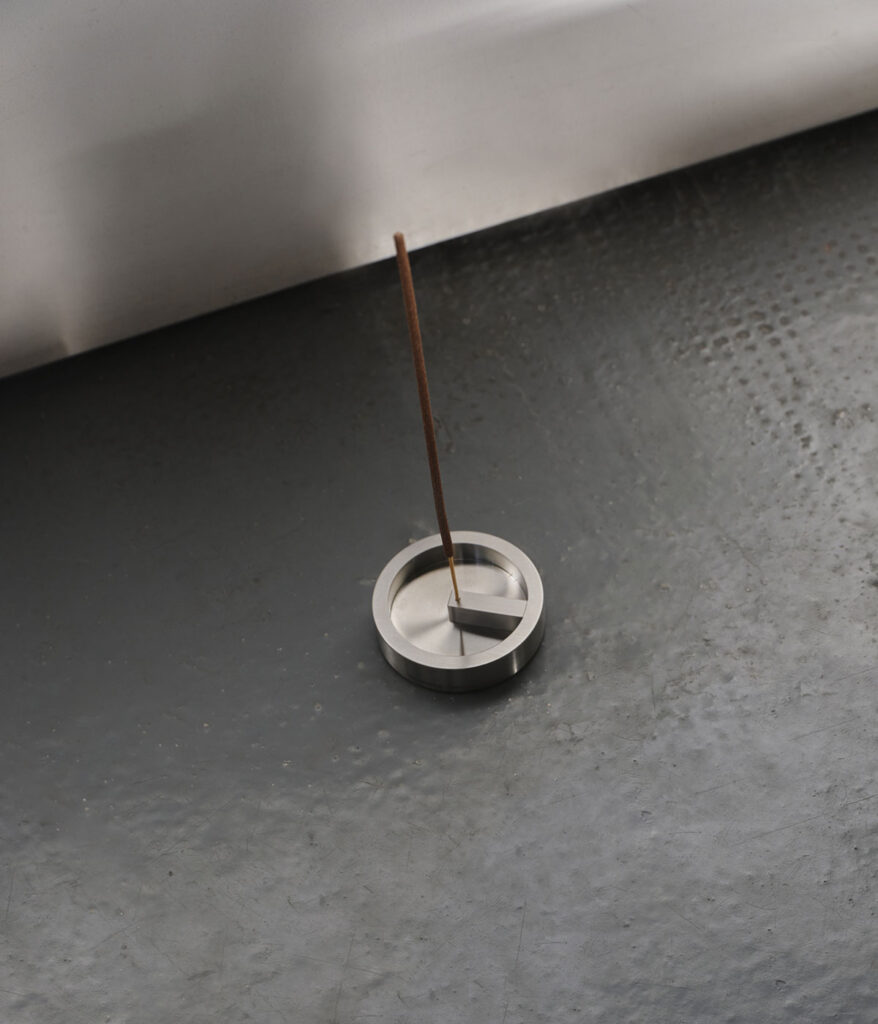
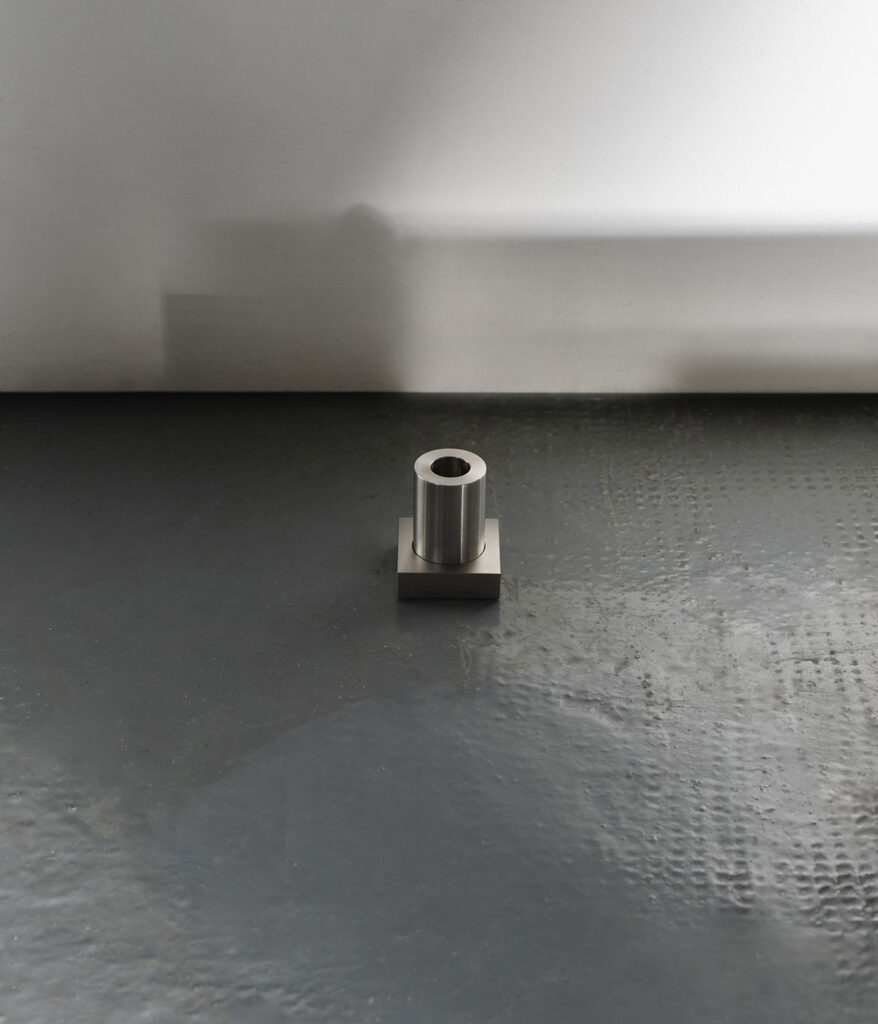
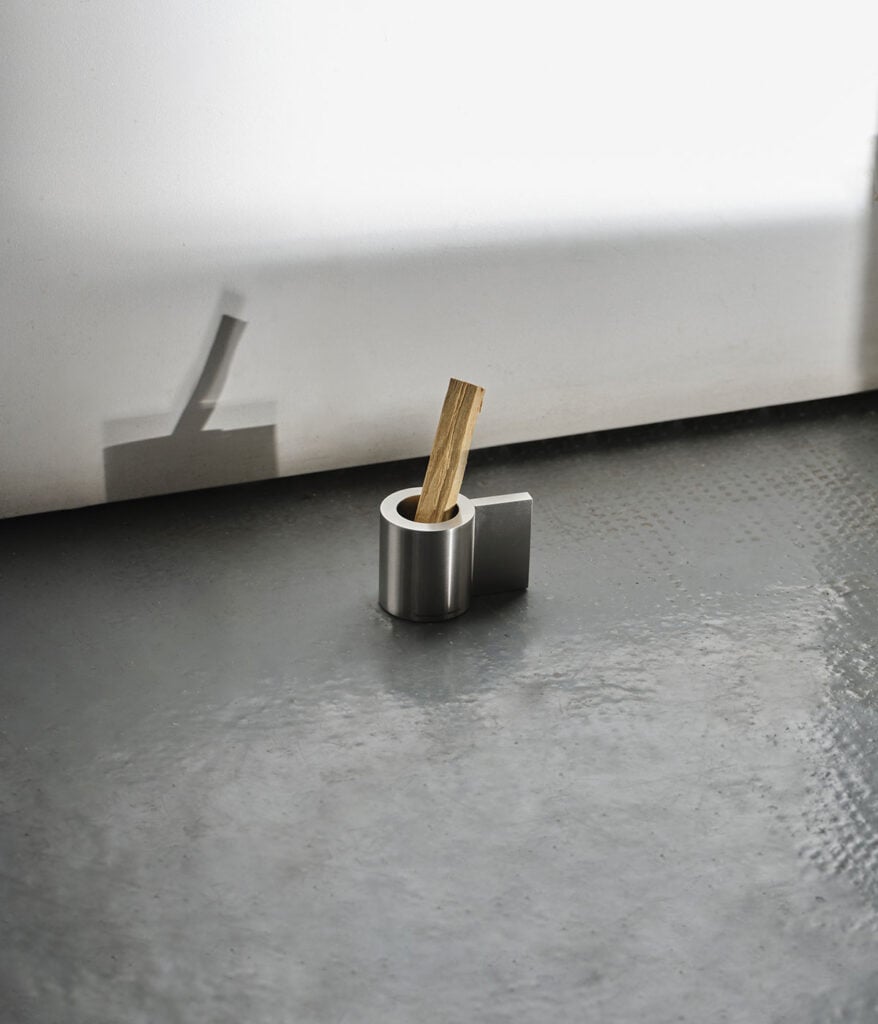
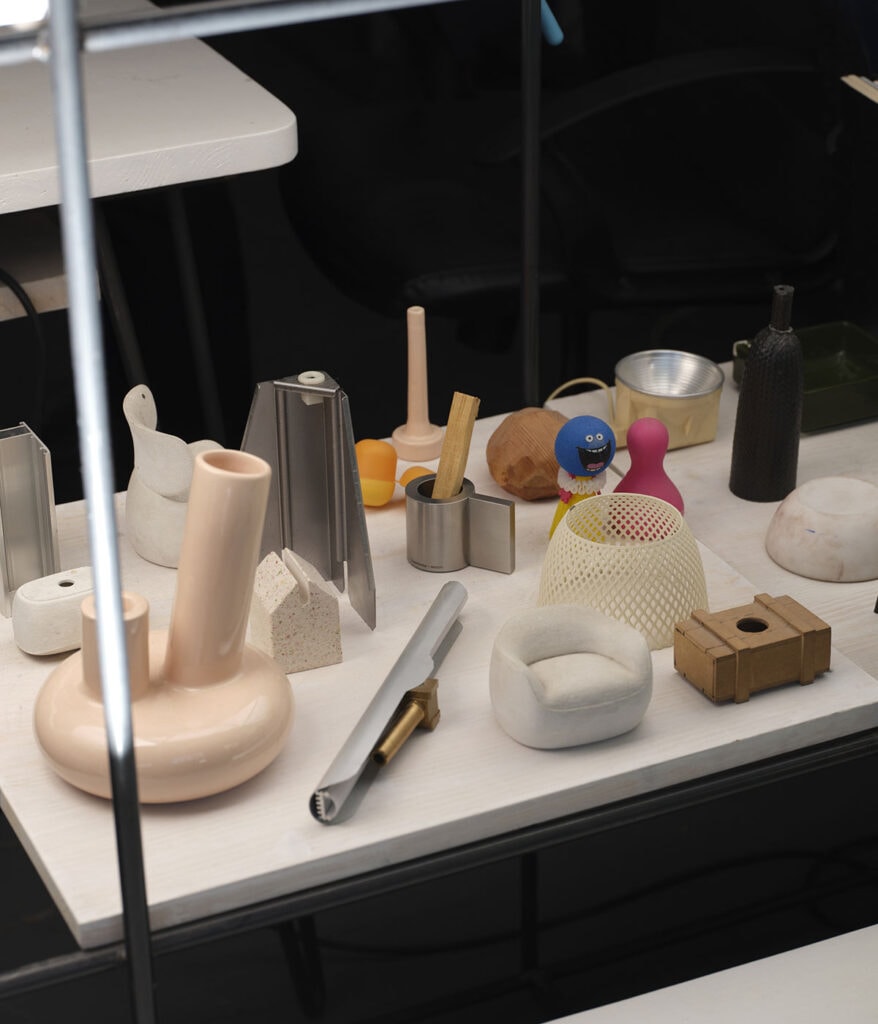
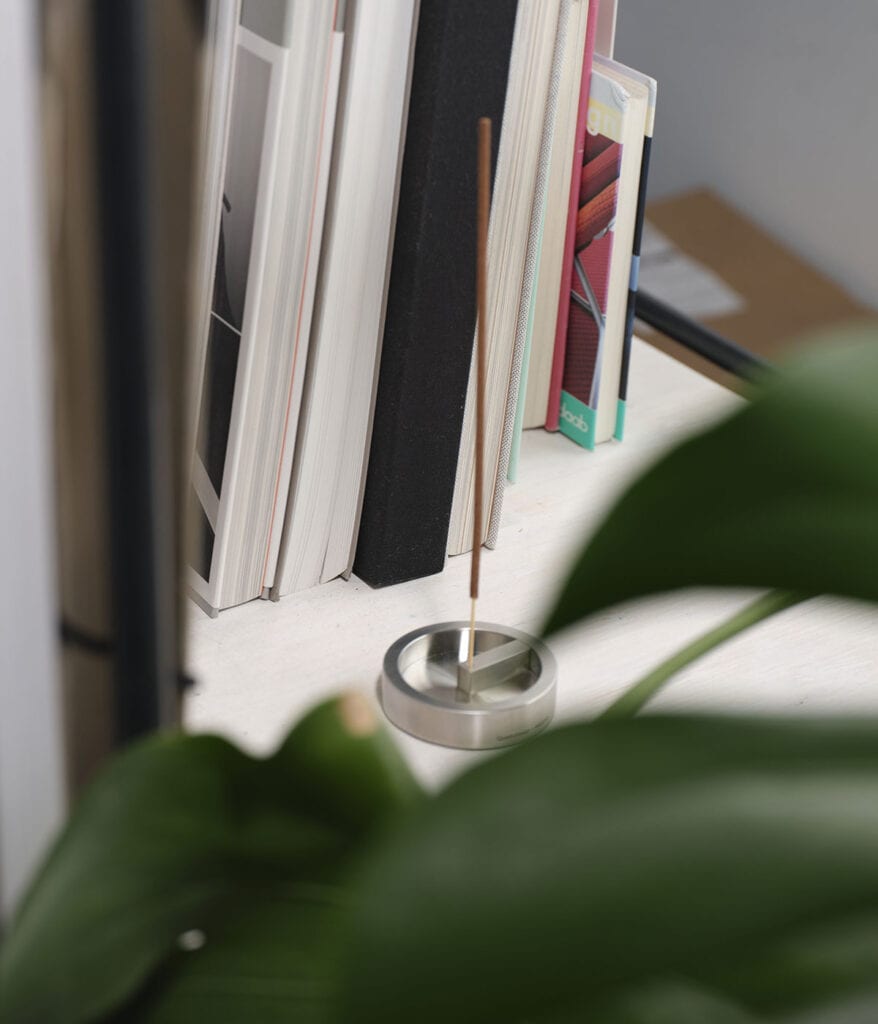
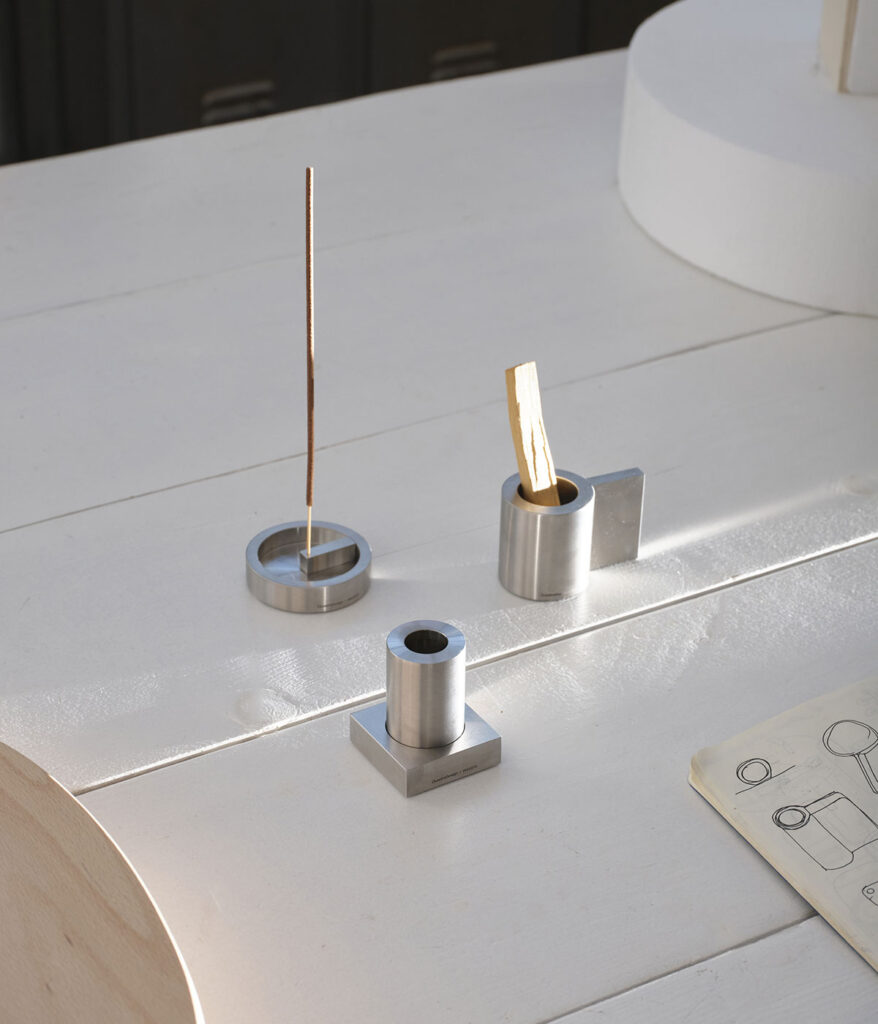
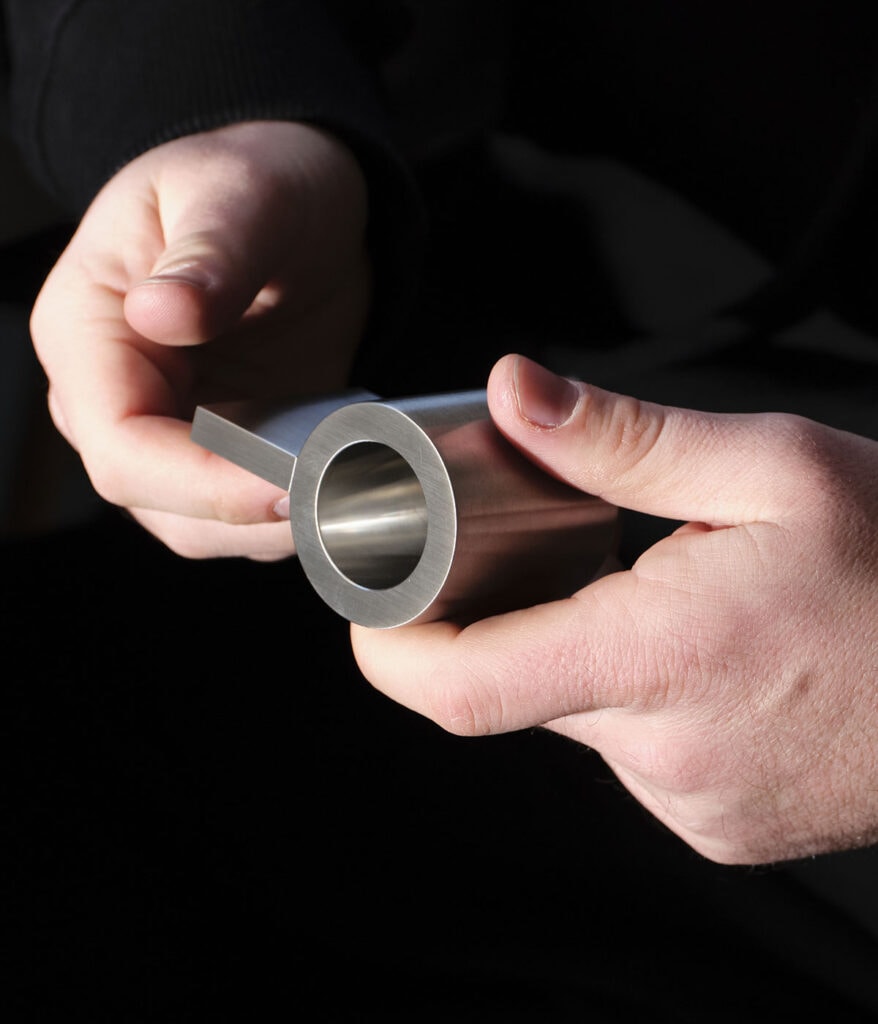
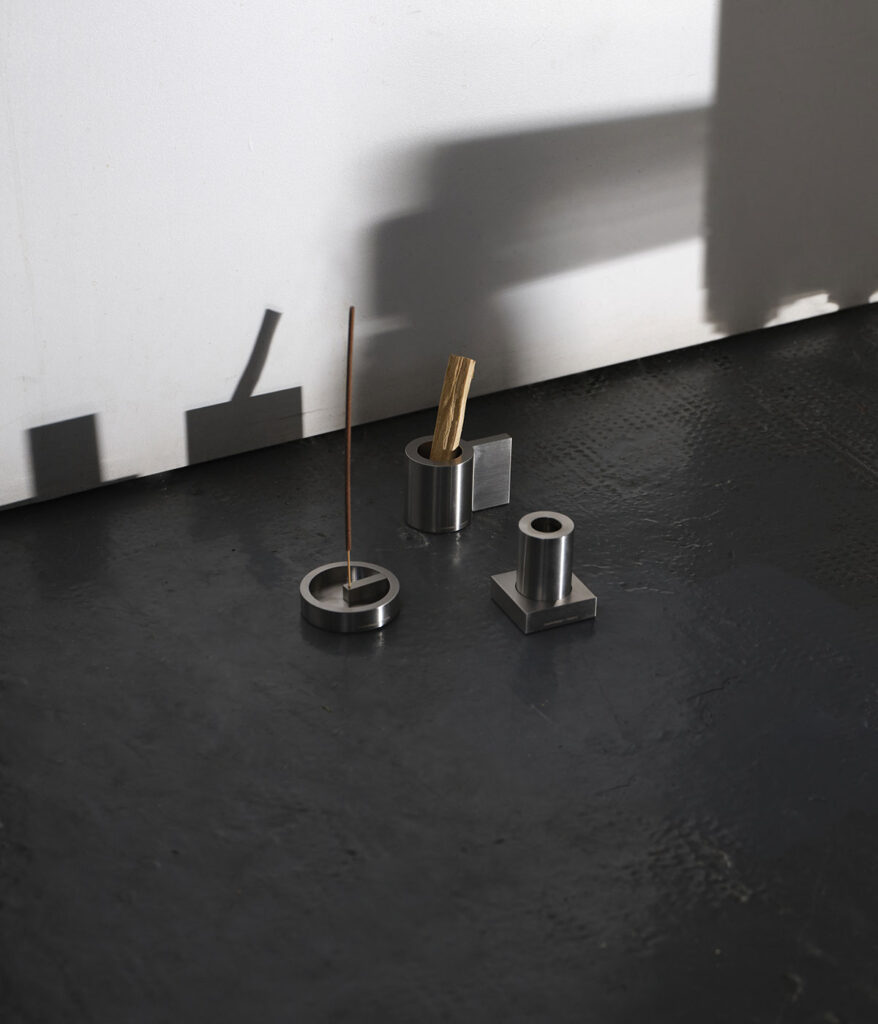
Haze is a collection of three stainless steel objects conceived for the burning of incense and aromatic woods. Designed by Simone Bonanni, the collection marks the first collaboration between QuadroDesign and the Milan-based brand Weed’d.


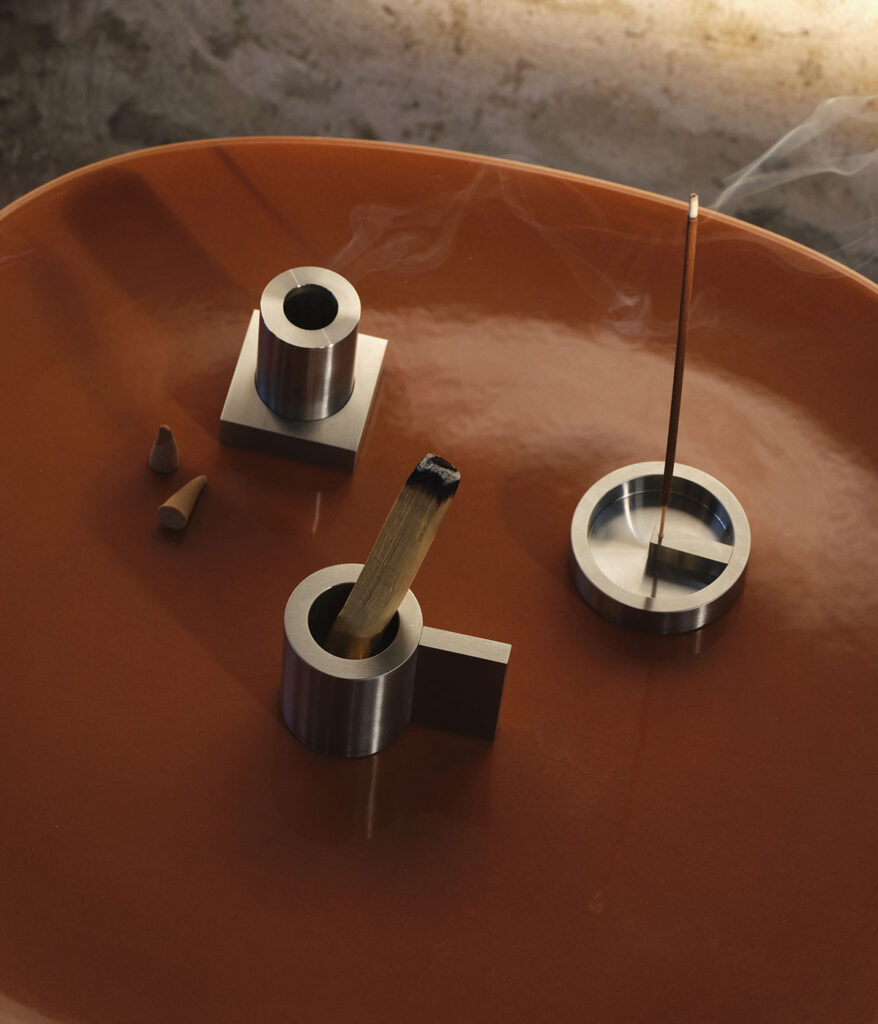
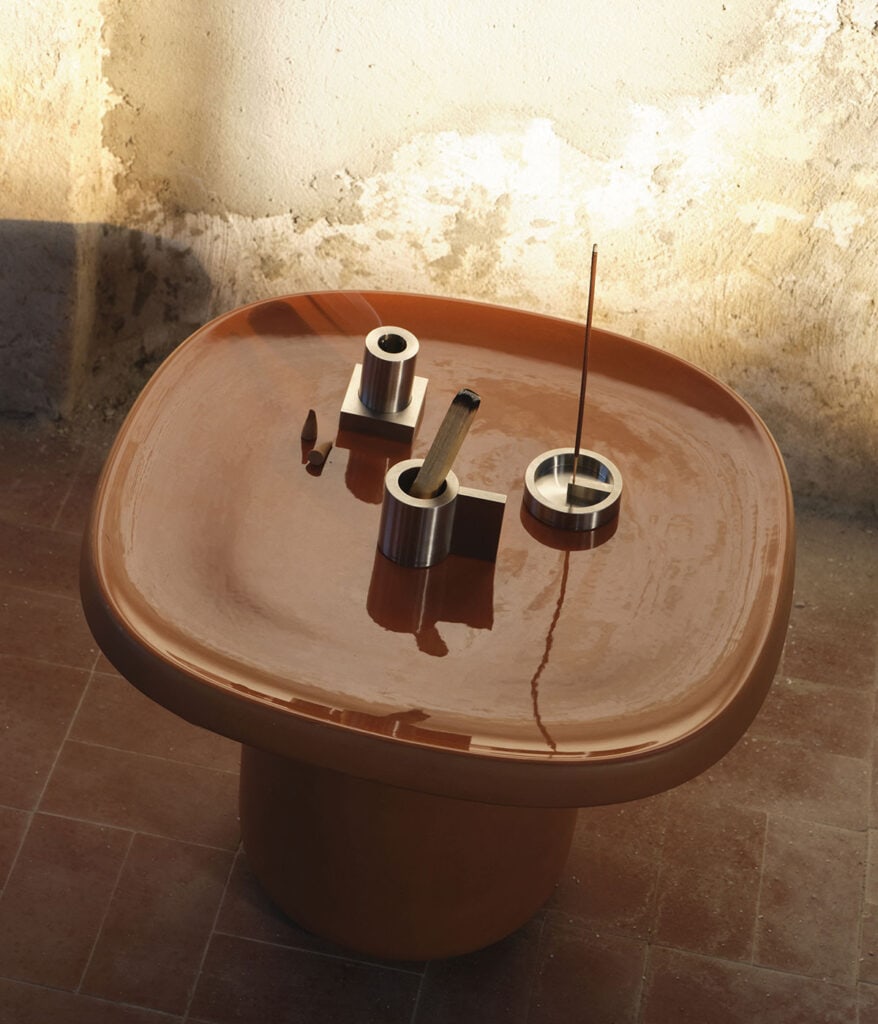
Precision-machined steel volumes meet a quieter, more contemplative dimension, where industrial accuracy is softened by ritual, time, and sensory experience. The three objects read as small domestic architectures—measured, essential presences designed to frame moments of pause, care, and introspection. In Haze, the values that define Weed’d find a new material expression through QuadroDesign’s rigorous and contemporary interpretation of stainless steel.
Interview by Daria Miricola
How do you perceive the contemporary Italian design landscape today, and where do you see your own practice positioned within it?
SB: Today, Italian design companies are competing on their own territory with new players coming from abroad. There is a sense that the idea of Italian design (that timeless design that made Italy famous around the world) remains a fundamental value to build upon, but that part of it must be able to evolve in order to keep up with the new needs of a constantly changing society. My generation sits in the middle, raised by the pupils of the great masters, but aware that change is necessary and more open to international trends.
Is there a particular type of furniture that, in your view, most clearly embodies the legacy of Italian design — one that best tells its story, values, and cultural evolution?
SB: Without a doubt, the chair. Which is also one of the most difficult objects to design. In Europe, together with the Scandinavians, we have the most beautiful tradition of chair making, which varies across Italy depending on regions and materials. The chair is perhaps the object that best represents the italian craftsmanship.
Along your path, which figures have played a formative role in your development? And who are the icons that continue to inform your thinking today?
SB: I worked as a product designer at Marcel Wanders from 2012 to 2015, where I met many colleagues and friends who deeply influenced me. I was the youngest in the studio, about 60 people, and it was a formative experience that pushed me to grow, and eventually to find my own voice. Like many designers, I’ve gone through phases of being inspired by others. Right now, I’m more focused on asking the right questions for my own work than on looking at what everyone else is doing.
If you had to identify a piece that best represents your own practice, which would it be, and why do you feel it reflects the core of your work?
SB: I’ve always believed that the shape of an object and its visual presence can affect the quality of our lives, because they give an object an attitude, a voice, and even shape the air around us. A project that really reflects this idea is Hana, an armchair I designed for Moooi in 2018. The project was based on the belief that a chair can be a place before it is just an object and I spent a lot of time finding the right shape and proportions to carry that spirit.
You recently mentioned that drawing is your favourite part of the product development process. Could you expand on this, and explain why drawing remains so central to the way you design?
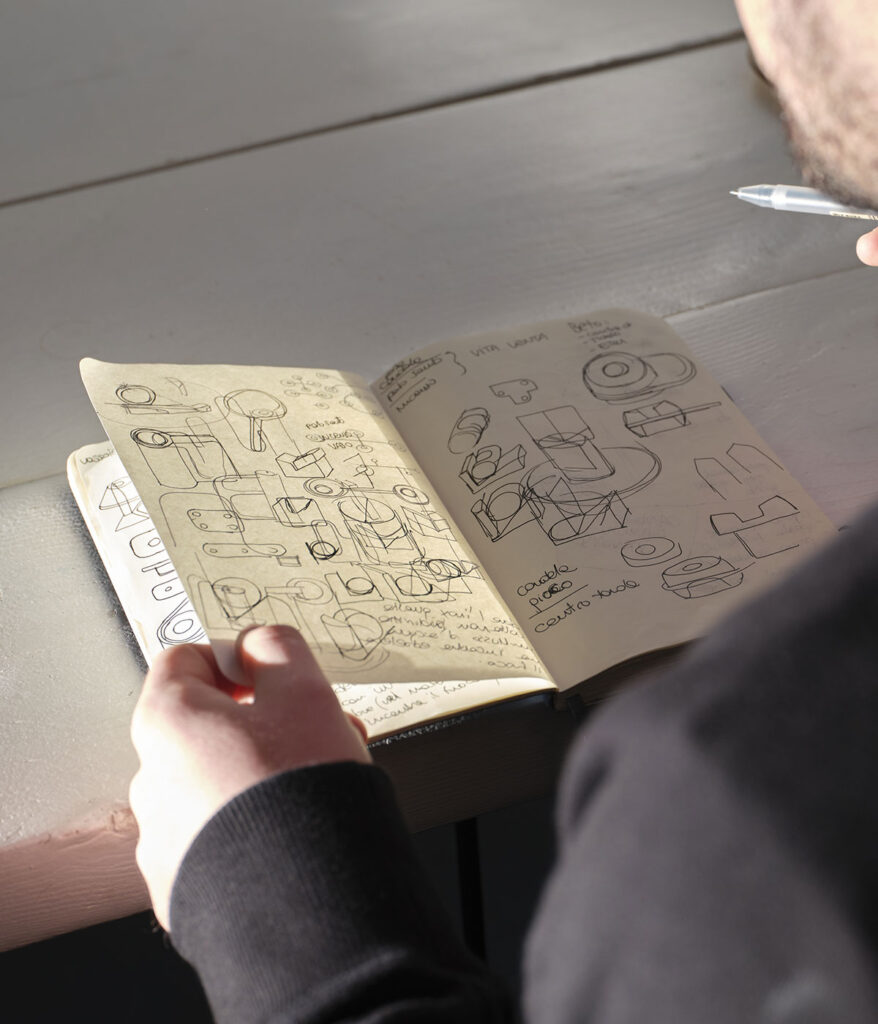
SB: I’ve always loved drawing. As a kid I sketched Japanese anime in my notebooks; later I made pencil portraits of friends and copied photos of our childhood heroes. It became more serious at university, when a close friend from Nanjing, my classmate and a drawing teacher in China, taught me that the most “three-dimensional” chiaroscuro is the one where you can perceive the greatest number of gradations between highlights and shadows. Since then, drawing has been my way of shaping ideas in my mind, understanding their contours, and making sure a form truly works.
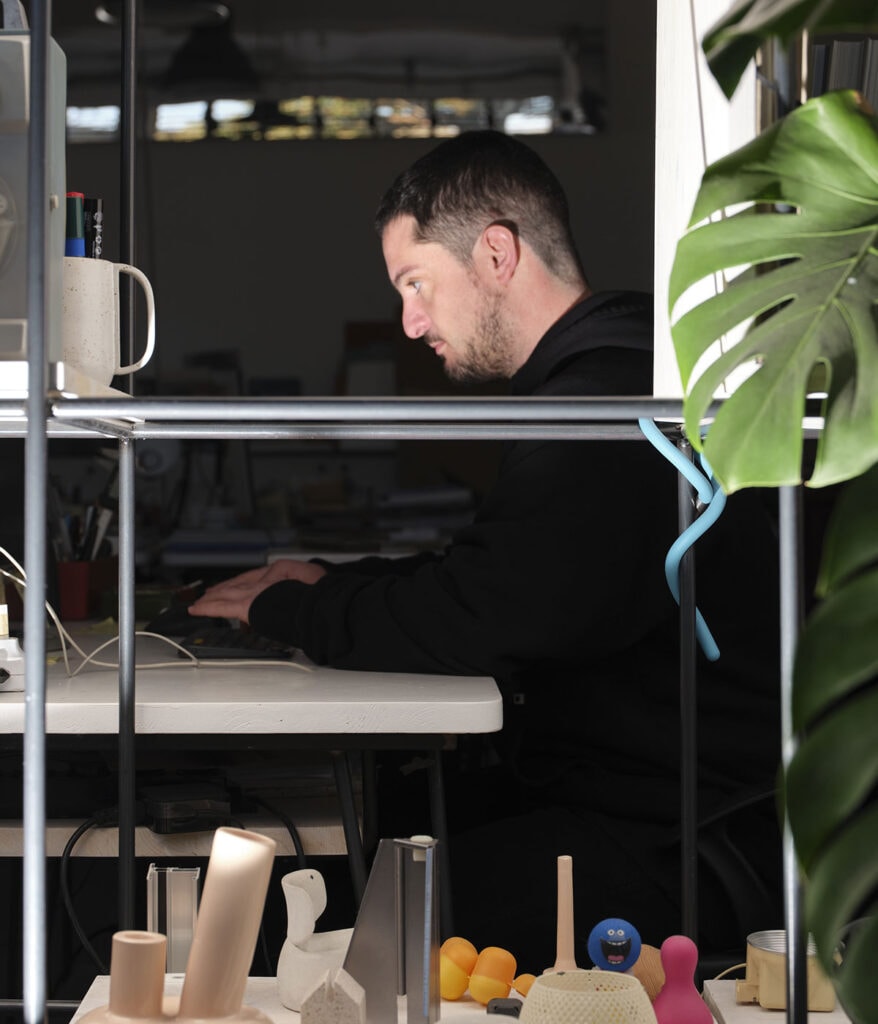
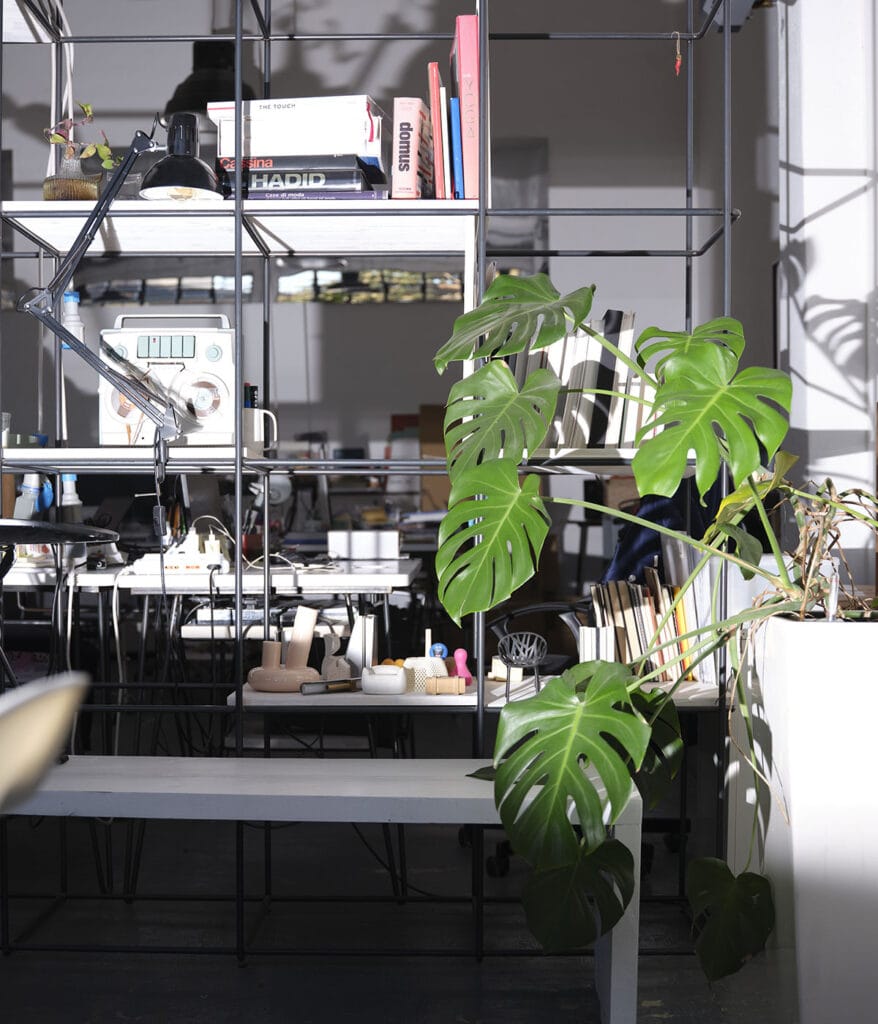
You have spoken about design objects as vehicles for emotion. What are your earliest memories of an emotional connection to a piece of furniture or a design object, and how have those experiences shaped your approach?
SB: As a teenager I played football for about twelve years, mostly as a goalkeeper. I was obsessed with my gloves and I still think it’s an extremely interesting product design typology. What mattered most wasn’t just how well they worked, but how they made me feel: the smell of fresh latex, the tight strap around my wrist, the sense that my hands were bigger, stronger, more powerful. My confidence on the pitch (and often my happiness) came less from pure function and more from those sensations.
Your collaboration with Quadro has involved working with stainless steel, the brand’s defining material. Tell us about your approach to such a “cold” material, particularly in the context of the objects you designed — pieces like incense burners that, despite being made of metal, are meant to receive, contain, and transmit warmth.
SB: Designing with CNC-milled steel is a dream for any designer: it gives you incredible precision, real weight, and a strong visual presence. When I started this collection, I imagined objects that feel solid and deliberately “industrial”, in contrast with their very simple job of holding a fragile, fleeting incense stick. The heaviness of the material and the sharpness of the machining become a kind of playful provocation: perhaps unnecessary, yet strangely satisfying.
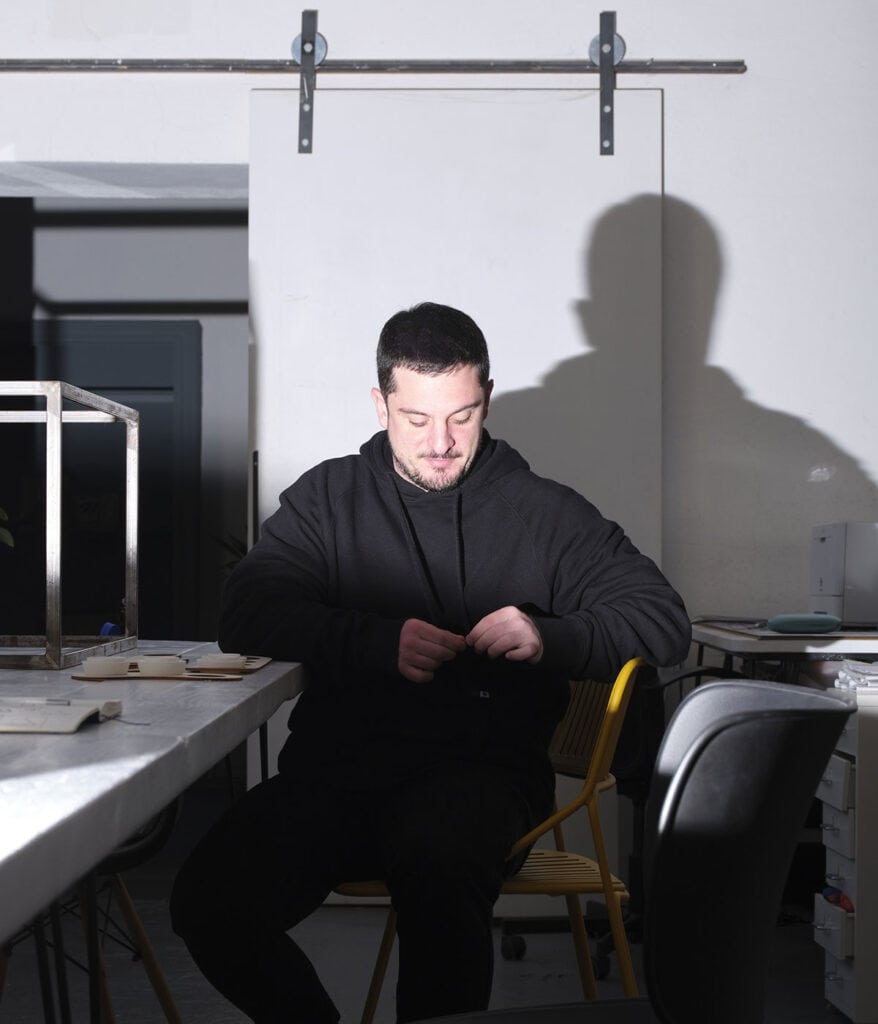
Beyond design, which other disciplines — artistic, cultural, or theoretical — influence your practice and help inform your work?
SB: I’ve always been a self-taught learner, even though my formal education is in design. During my time at Wanders, I took my first course in Neuro-Linguistic Programming, and I found it both interesting and genuinely helpful. The teacher was Ernst, a Dutch man, always smiling but also very direct and sharply realistic. Ten years later, I reconnected with him for a series of business coaching and personal development sessions.
Looking ahead, which directions, themes, or projects are currently guiding your research and future work?
SB: I’m currently working on a very complex project that has taken two full years to develop, including the fine-tuning of the technology and CNC machinery involved. It’s a limited series of three carbon-fiber billiard cues, produced using a unique process developed by a brand based in the Pordenone area. The results are remarkable, and I hope to be able to share the first images by the end of February.