

Temporary Installation to Permanent Architecture
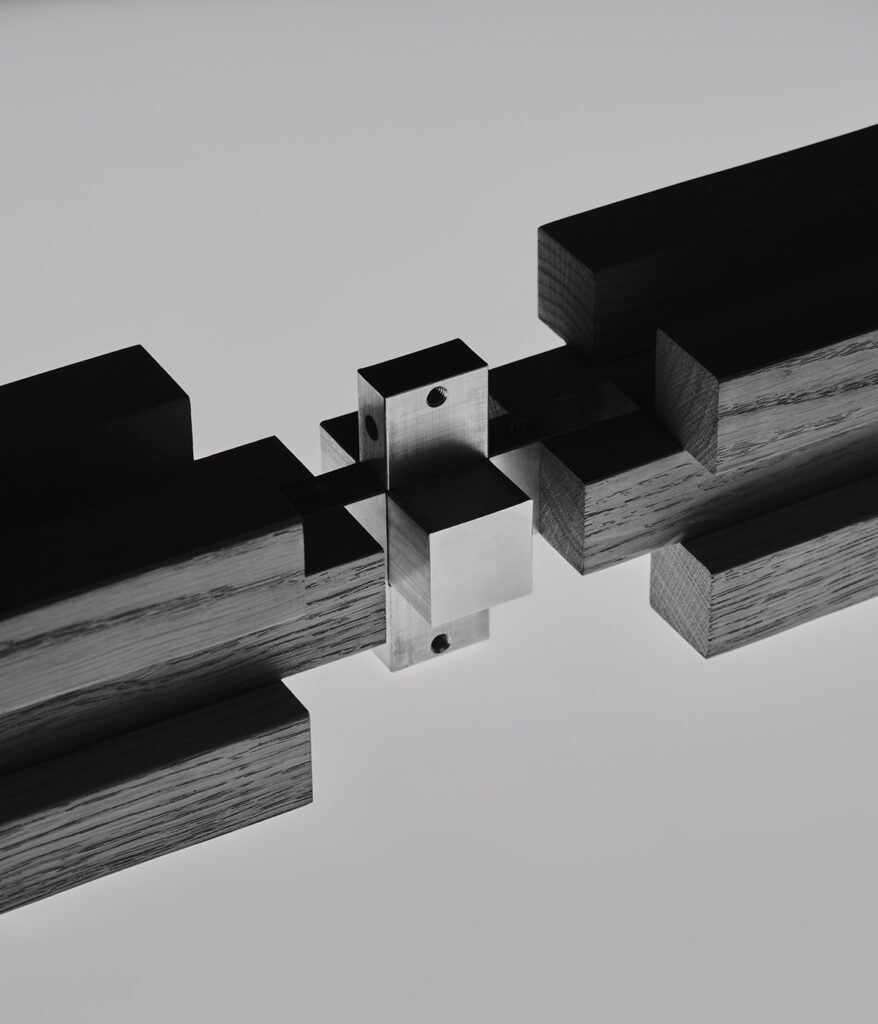
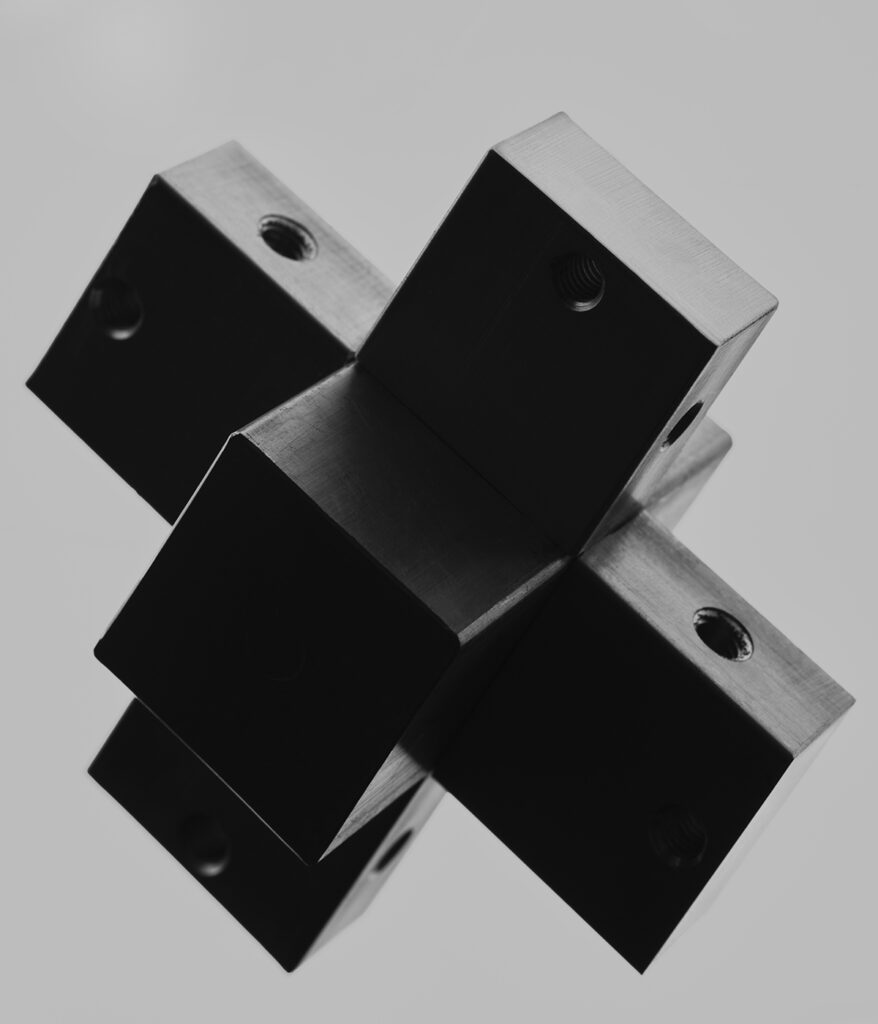
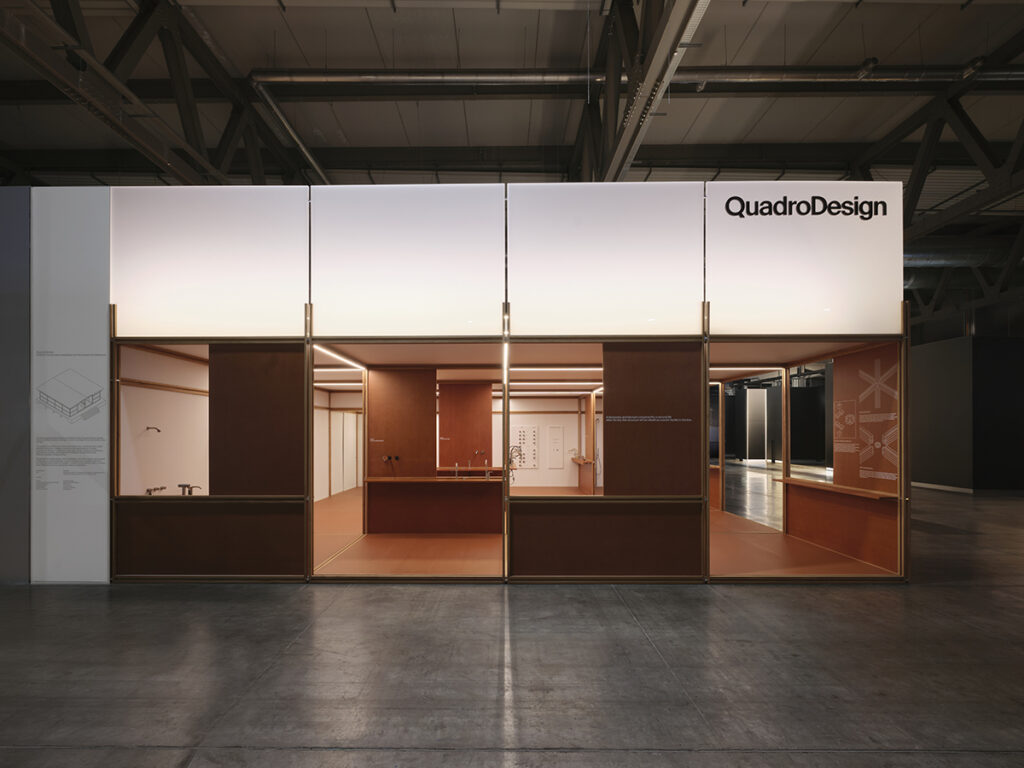
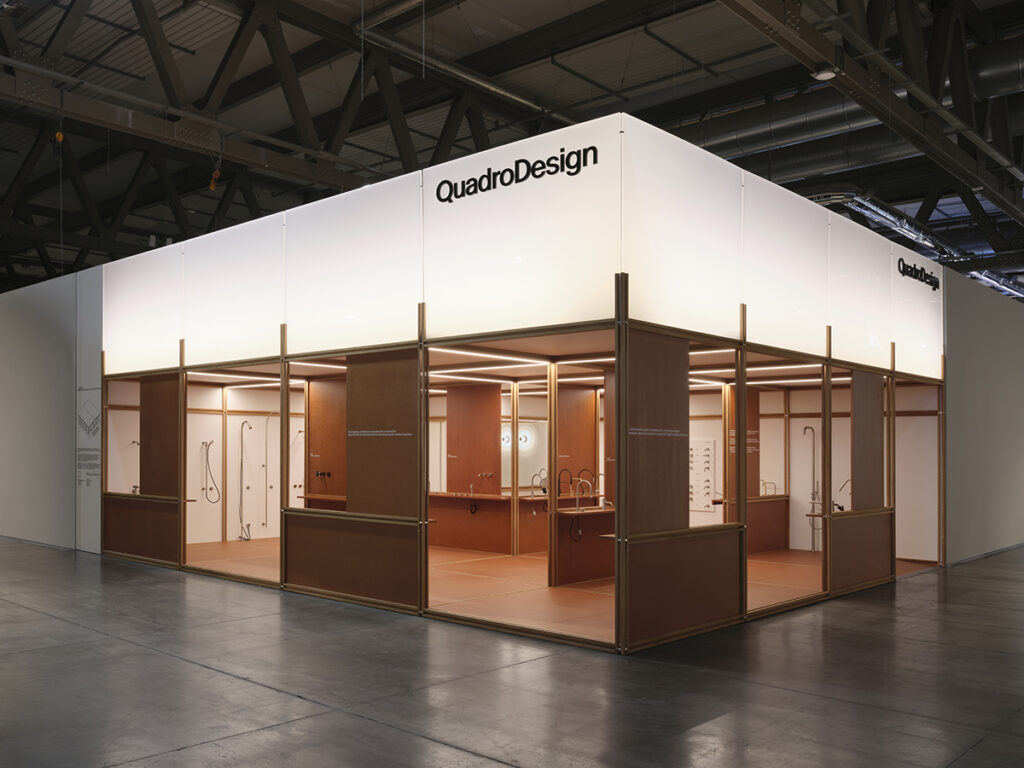
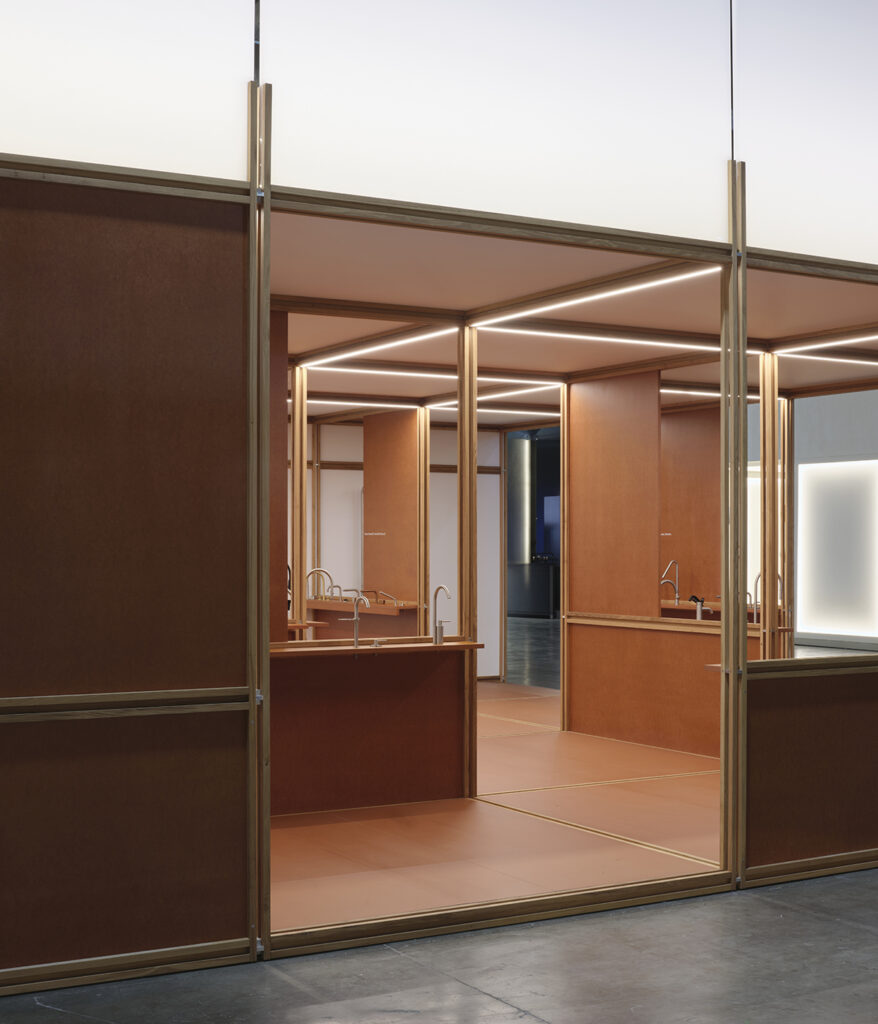
On the occasion of Salone del Mobile 2026, Elena and Enrico Magistro, co-owners of QuadroDesign, invited Giacomo Moor to design a modular exhibition structure conceived for a second life. Built around an aluminium joint and a light timber frame, the system can expand and be reconfigured through panels acting as partitions, surfaces, or roofing. After the fair, in collaboration with Koalisation, it will be dismantled and reassembled in Masala, Zambia, as a permanent public bathroom serving the local community. Masala’s first public bathroom will be installed at the end of August 2026.

The idea of approaching Salone del Mobile with a project of this kind stems from a very simple—and in some ways uncomfortable—observation: most temporary brand architectures during Design Week are not sustainable, neither environmentally nor ethically. Every year, complex and highly scenic stands are built, often beautiful, that last only a few days and, once the fair is over, turn into waste. Plasterboard panels, ephemeral structures, materials destined to be dismantled and thrown away, leaving behind nothing but images and brand positioning.
“At QuadroDesign, we had long felt the need to take a stand—not only through words, but through a concrete gesture. In 2024 we began doing so by choosing to ‘undress’ our stand: a declared load- bearing structure, no cladding, no scenographic artifices, and display elements replaced with crates actually used in production. An installation that was over 80% reusable, explicitly communicating our dissent toward a certain way of conceiving the fair, at least on an aesthetic and constructive level.”
—Elena Magistro
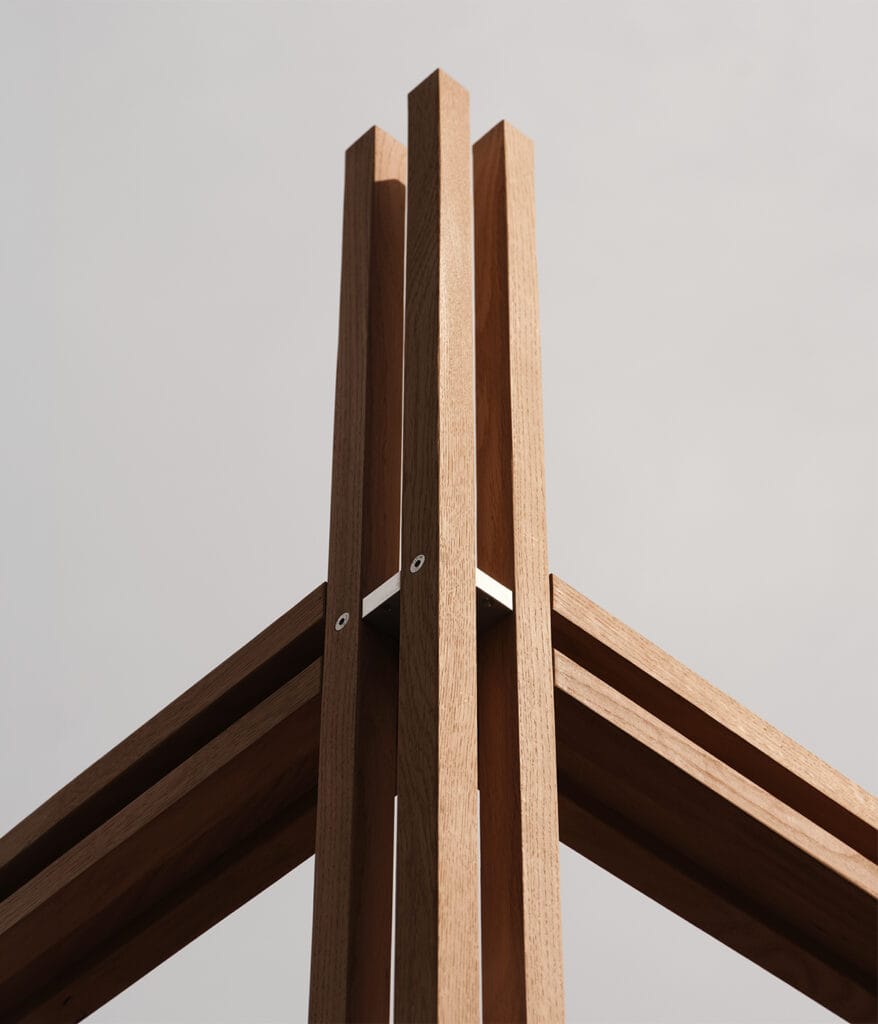
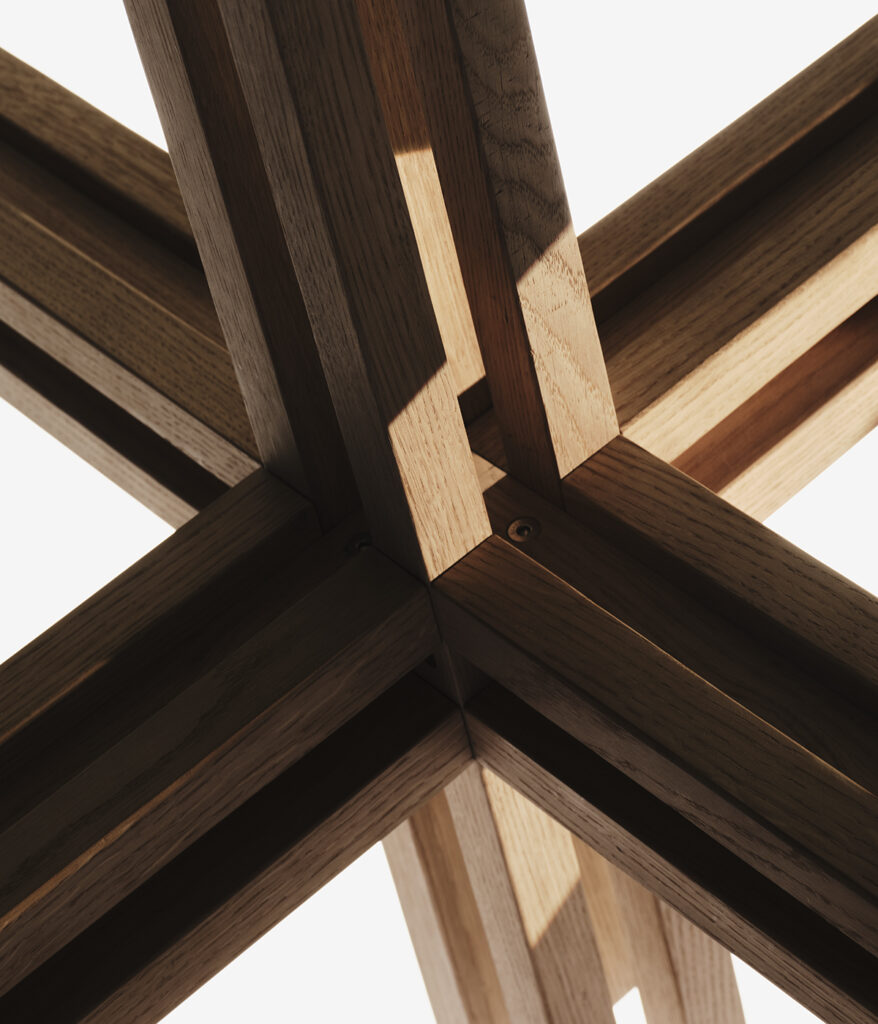


Enrico Magistro continues “With the 2026 project we decided to go all the way, without compromise. The encounter with Giacomo Moor and his experience with essential and transformable architectural systems was decisive: together we envisioned a stand that would not be an end in itself, but a means. Not a temporary object, but an architecture capable of changing function, location, and meaning. The possibility of giving the stand a second life, transforming it into a public bathroom in Zambia, is not a symbolic or narrative operation, but a concrete choice that restores value to what is normally considered waste.”
“I clearly remember the moment when this conviction became definitive: the evening before the opening of the Salone, once installation was complete, walking through the almost empty pavilions. Our stand stood out visually—it was different, perhaps even disconcerting. The first question I inevitably asked myself was: ‘Will people like it?’ Then, looking around and observing the other installations, I realized that was not the right question. The path we had taken was the right one, regardless of immediate consensus. For us, this project represents both a point of arrival and a new beginning: proof that even a brand architecture can assume real responsibility, step outside the perimeter of self-referentiality, and generate an impact that goes beyond the Design Week. It is a different way of understanding design—not as a formal exercise or a tool for visibility, but as useful infrastructure, capable of adapting to contexts and of finally placing people at the center.”
—Enrico Magistro
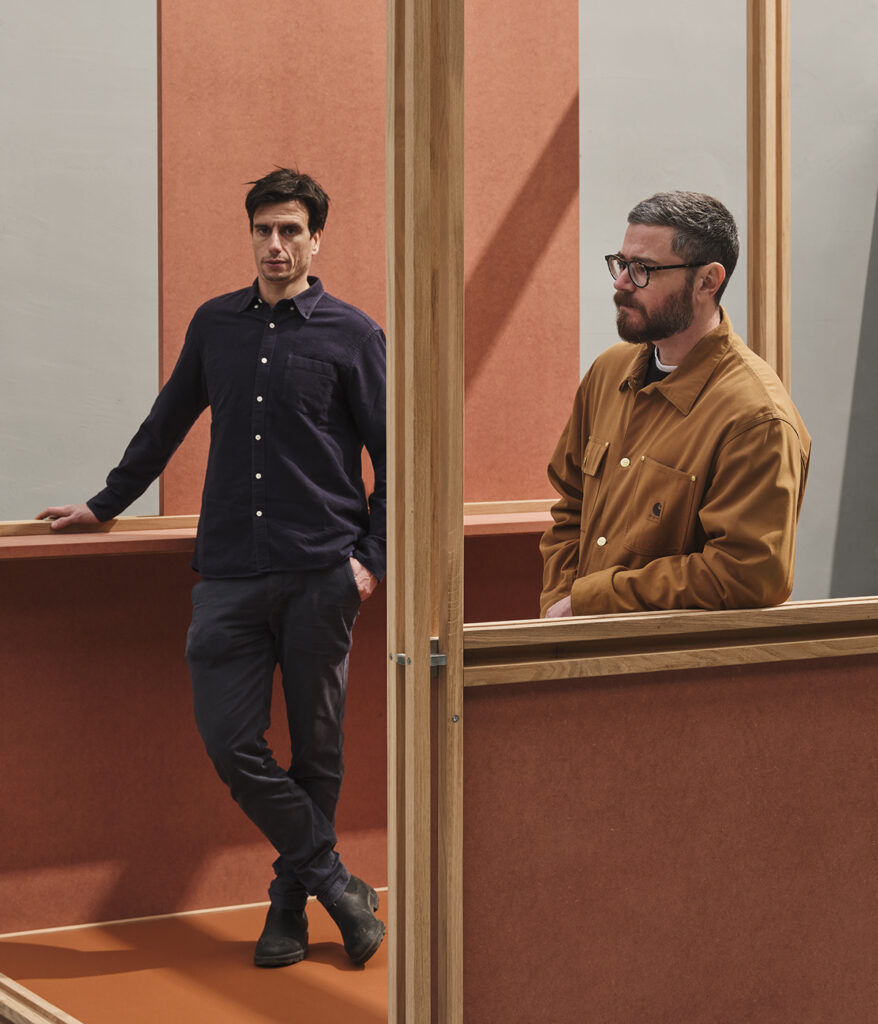
Giacomo Moor describes his involvement in the project as follows “The invitation from QuadroDesign to design a stand for exhibiting their products at the fair during Salone del Mobile 2026 was as unexpected as it was stimulating; the proposal to transport this installation to Africa once Design Week was over and give it a new life was an absolute challenge.”
—Giacomo Moor
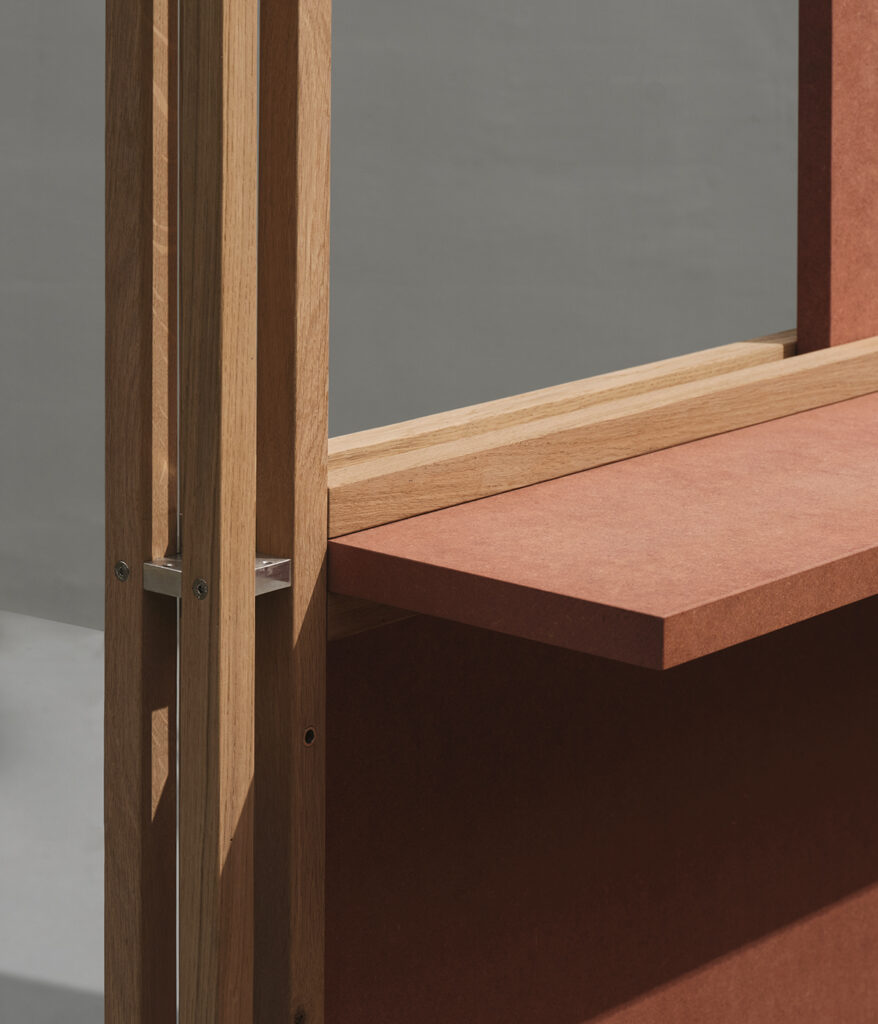
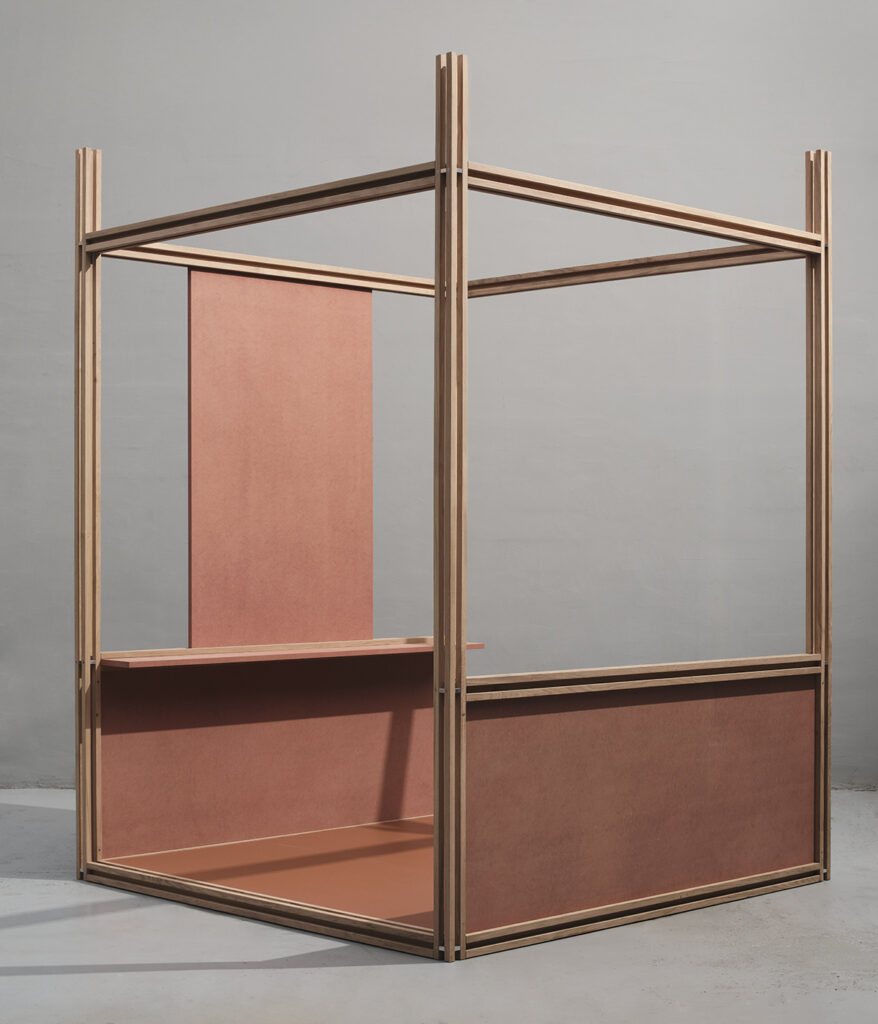
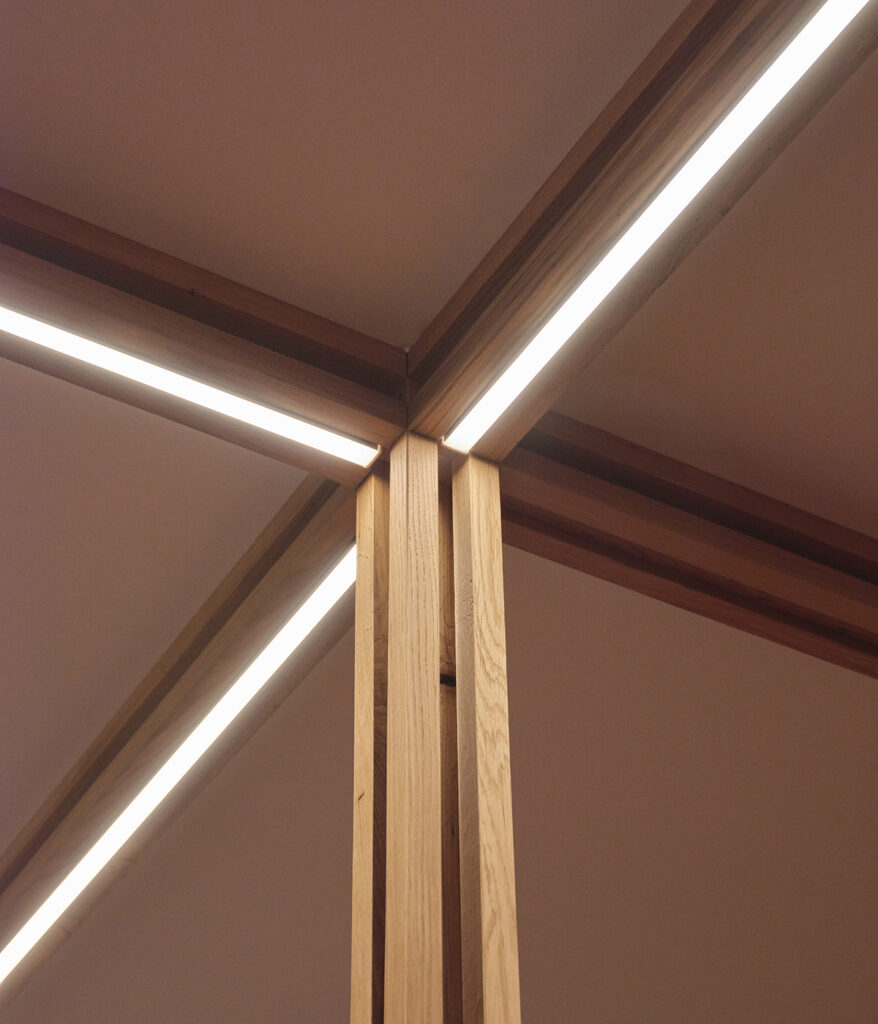
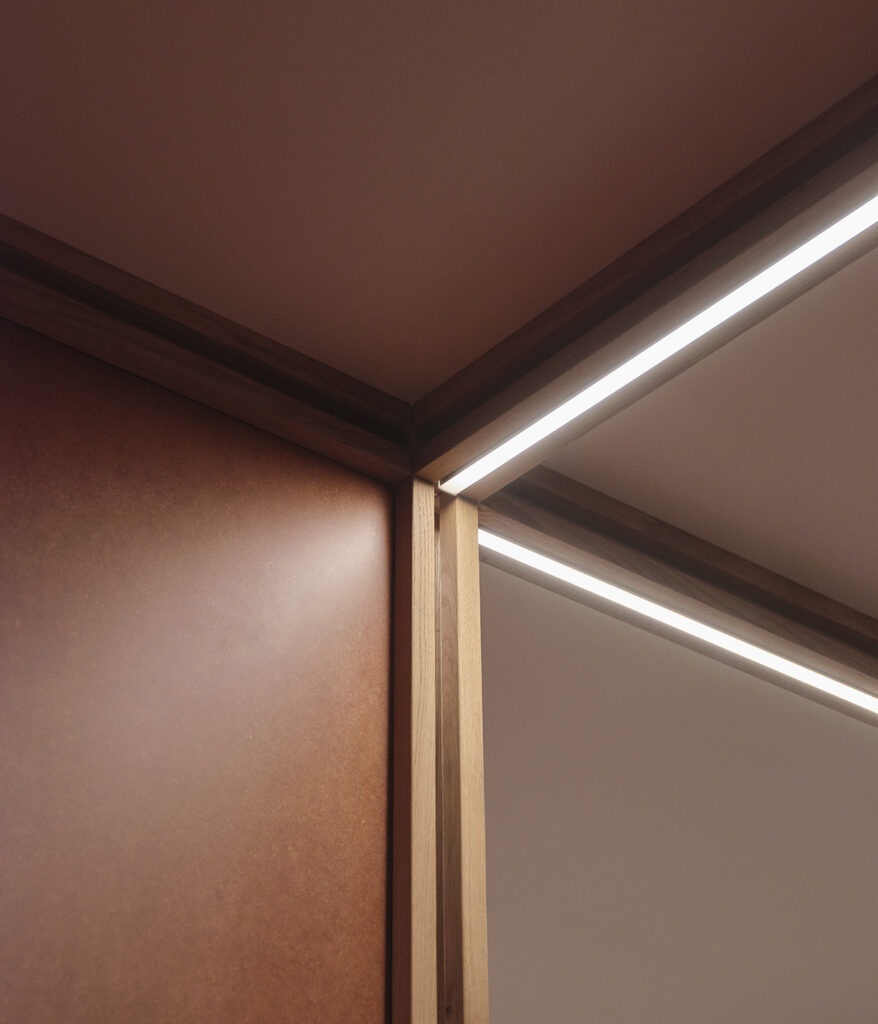
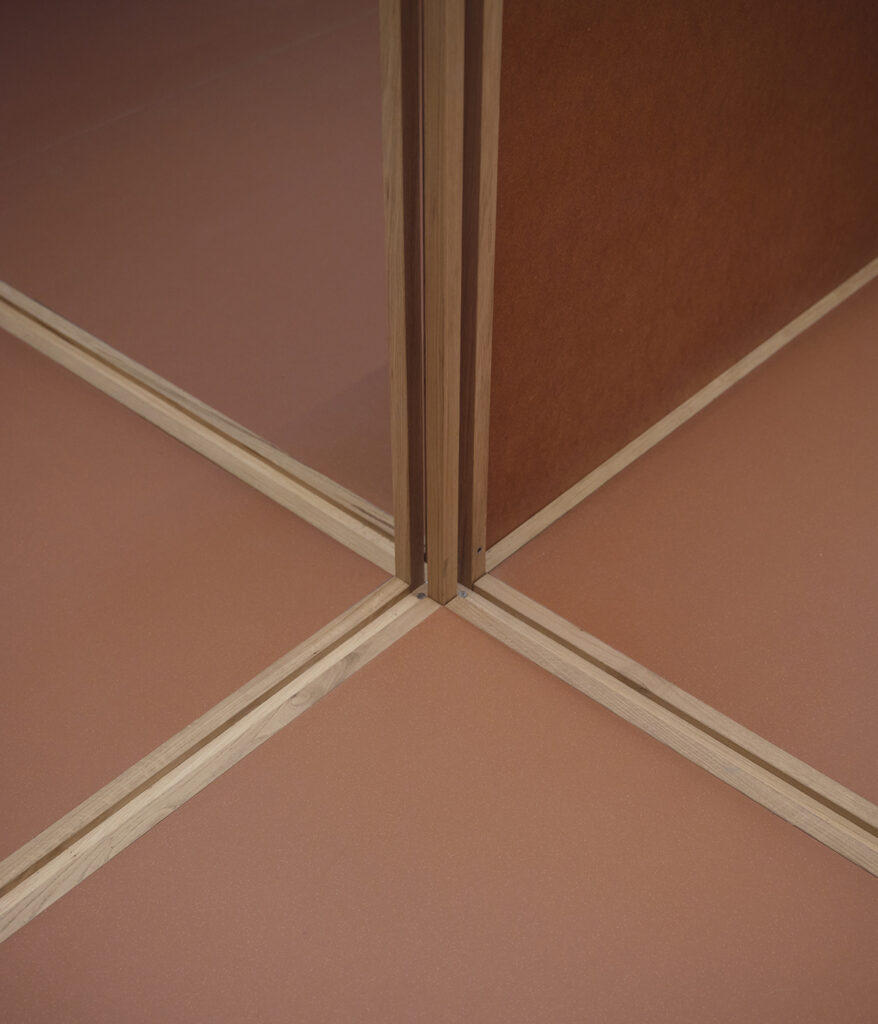
“The construction system we designed responds to this need for transformability and is based on a rigorous wooden grid, connected at multiple points by a four-way metal joint that allows the space to be modulated—both in plan and elevation—by adding or removing elements. The cross-sections of the components involved are standardized to a single dimension, simplifying the production process and making it easily replicable across different latitudes. The shared objective was to interpret the stand as a true piece of architecture, capable of functioning as an exhibition device in Milan and as a public bathroom for women working in the charcoal market in Zambia—integrating quietly and naturally into the frenetic chaos of Salone week, and then transforming, through a change in composition, into an intimate place where the person, rather than the product, is at the center.”
—Giacomo Moor
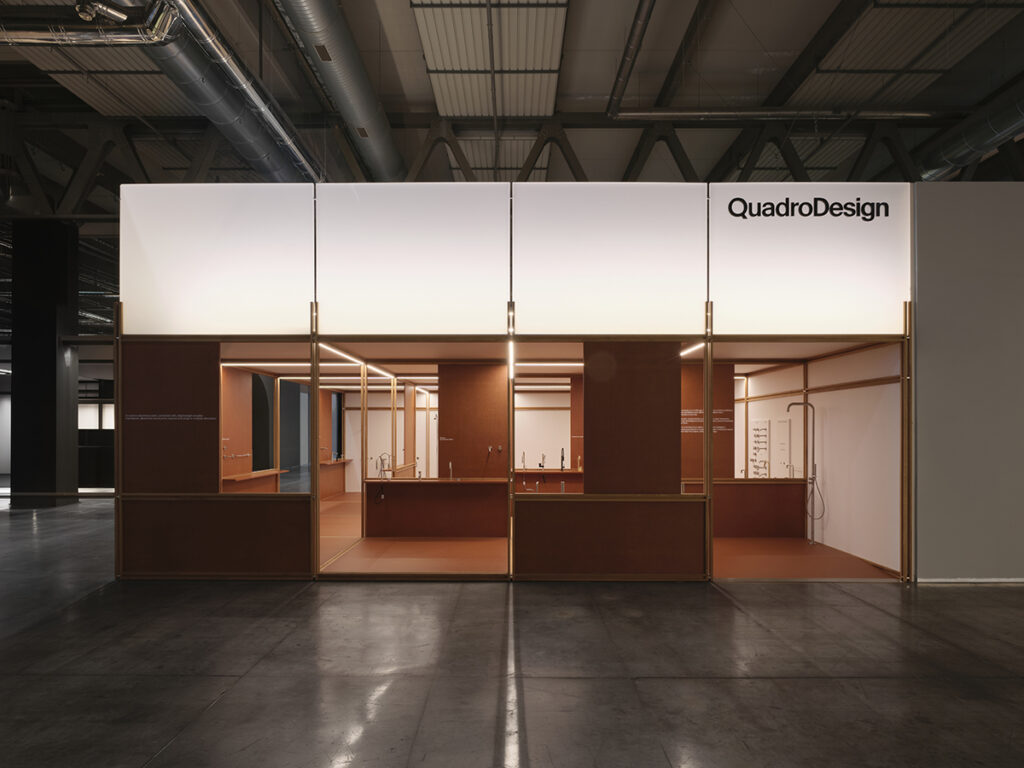
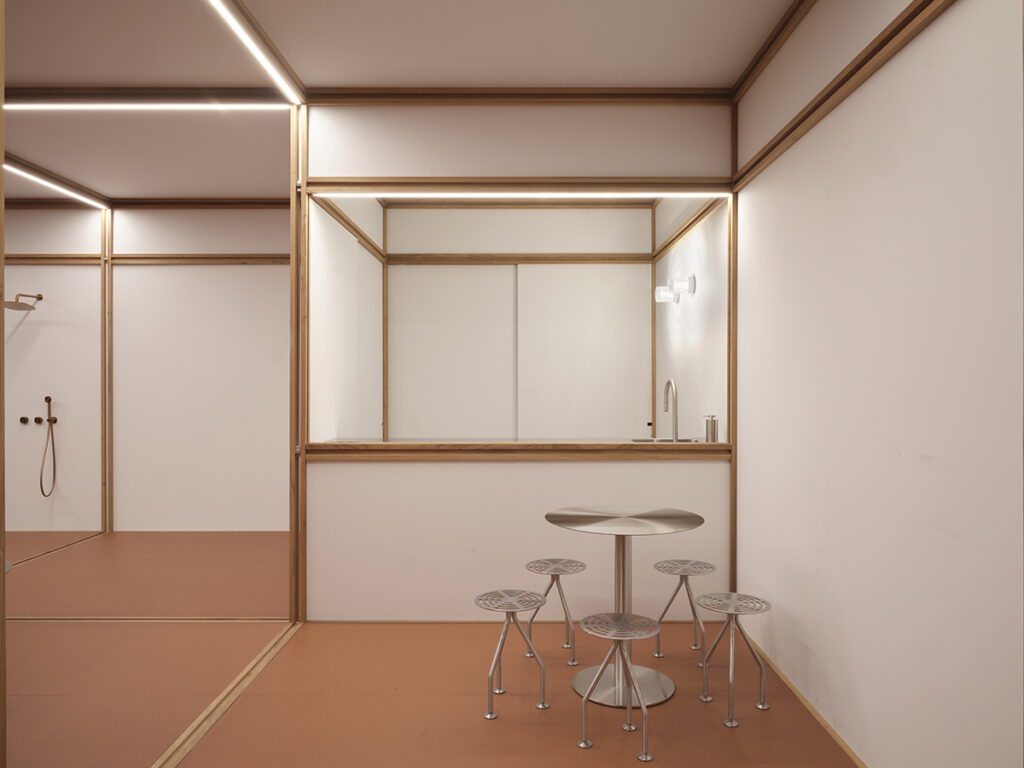
Platek is participating in the project as a lighting partner, overseeing the entire concept and lighting design. This project was conceived not as a temporary installation, but as part of a long-term project: a lighting system developed to enhance the stand’s architecture, materials, and construction details, ensuring light control, efficiency, and consistency with the exhibition concept. At the end of the event, the same fixtures will be reused and integrated into a new architecture built in Africa, continuing their life cycle in a real and permanent context. This approach reflects Platek’s approach to design: thinking of light not as an ephemeral element, but as part of a lasting system, capable of transcending places, times, and functions, while maintaining its own identity intact.
Koalisation will specifically construct a 4 m3 well, and the architecture will be raised above ground level, both to protect it from seasonal flooding during the rainy season and to allow the placement beneath it of tanks for collecting waste, which will be used to produce fertilizer for timber forests.
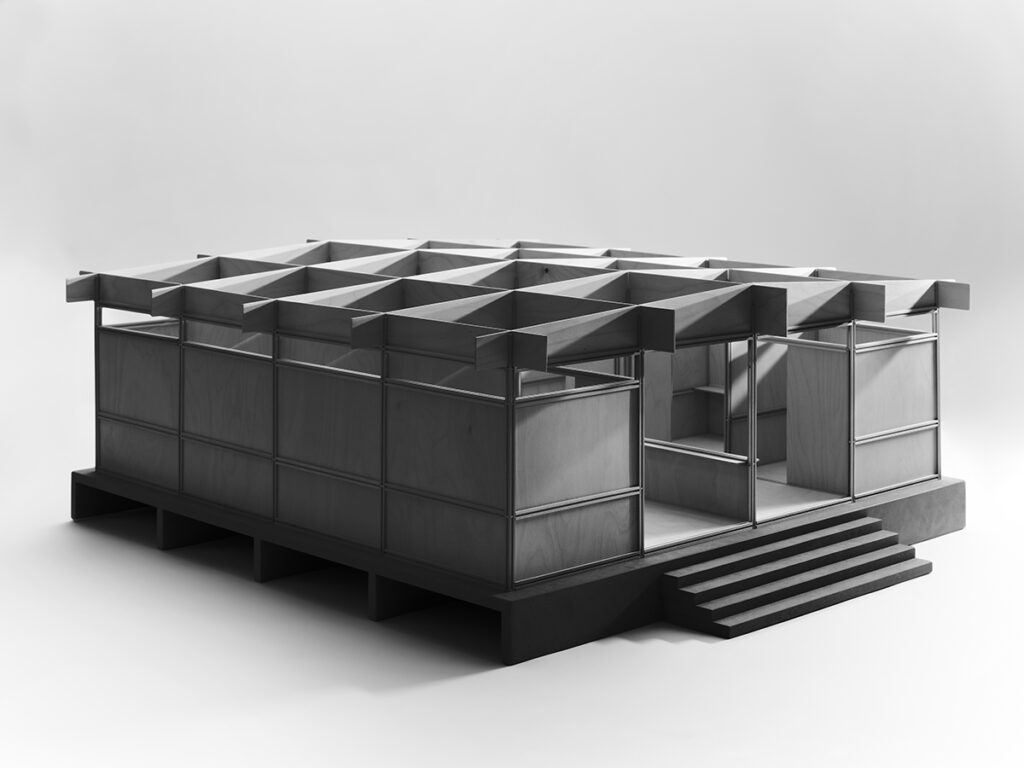
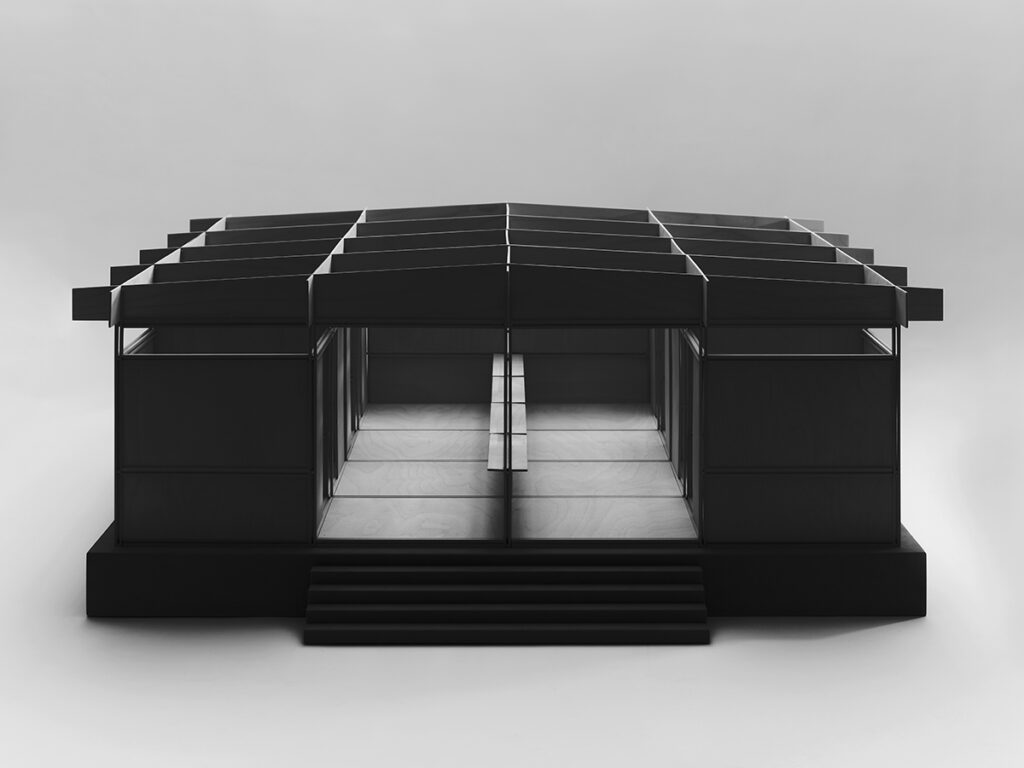
This is what Matthieu Meneghini, CEO & Co-Founder of Koalisation, states: “Koalisation means connection: between places, people, and actions. With this project, together with Giacomo Moor and QuadroDesign, we are turning this idea into something concrete. From the Salone del Mobile to Masala, one of the largest markets in Ndola, we are creating a place that did not previously exist: a space of service, care, and dignity.
Markets are vibrant places, where work, energy, ideas, and economic activity are exchanged every day, often under extremely harsh conditions. Here, thousands of people work every day, and most of them are women, many of whom are mothers. This rest room is created for them: public toilets, showers, and baby changing stations conceived as something essential, not exceptional. This project aims to go beyond the stereotypes that associate certain places only with lack and poverty. We believe that even in the harshest contexts, beauty has profound value: beauty as respect, as care and attention, as a concrete sign that every person deserves quality and care. We wanted to create a place where personal needs are not a limitation on the freedom to work, but something normal, safe, and respected. A place for pause, refreshment, and humanity, restoring dignity to everyday work. For us, work is connection, and connection is the foundation of any human society that truly wishes to prosper.”
—Matthieu Meneghini


